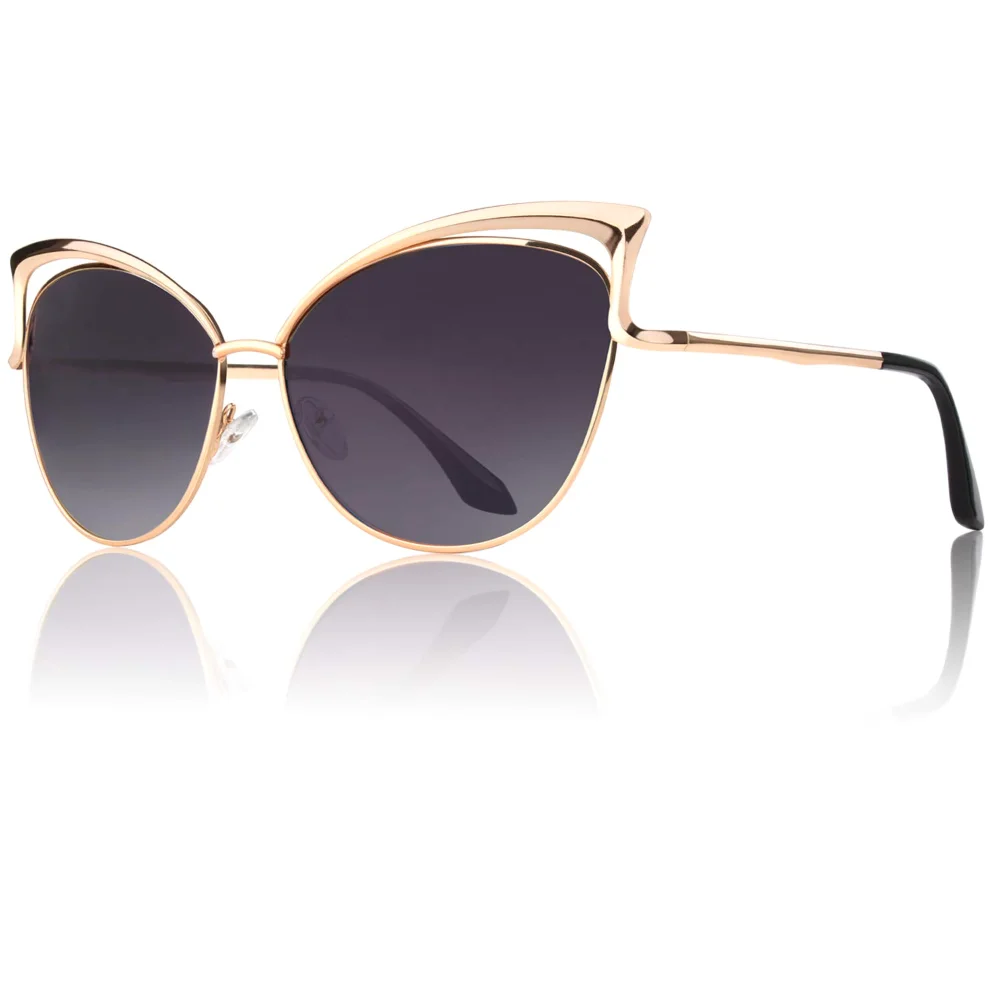
Cat-eye sunglasses
Oversized Cat-Eye Polarized Sunglasses
- Polarized, UV400
- Metal alloy frame
- 7 colourways
4.4 · 5,089 ratings
from $14.99
Official GQUEEN store
You cannot try any of this on before it arrives, so every GQUEEN frame carries the three numbers engraved inside a temple arm, lens width, bridge and temple length, and the honest word about its lens: polarized, UV400, or clear and worn for the look.
Start with what people buy most


01Six shelves
Every frame here costs between ten and twenty-six dollars, so the price will not decide it. The shape will: a pilot for a broad face, a round for a narrow one, oversized for cover, clear for the look.
02What leaves first
Dealt down this page in three blocks, with the lens, the material and the price on every card before you click.
Cat-eye sunglasses
4.4 · 5,089 ratings
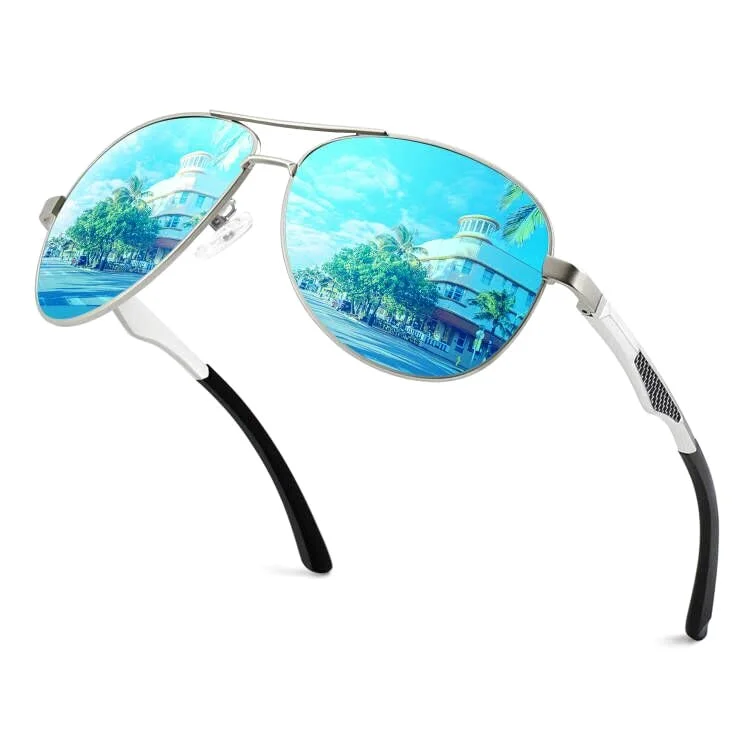
Classic pilot sunglasses
4.3 · 4,182 ratings
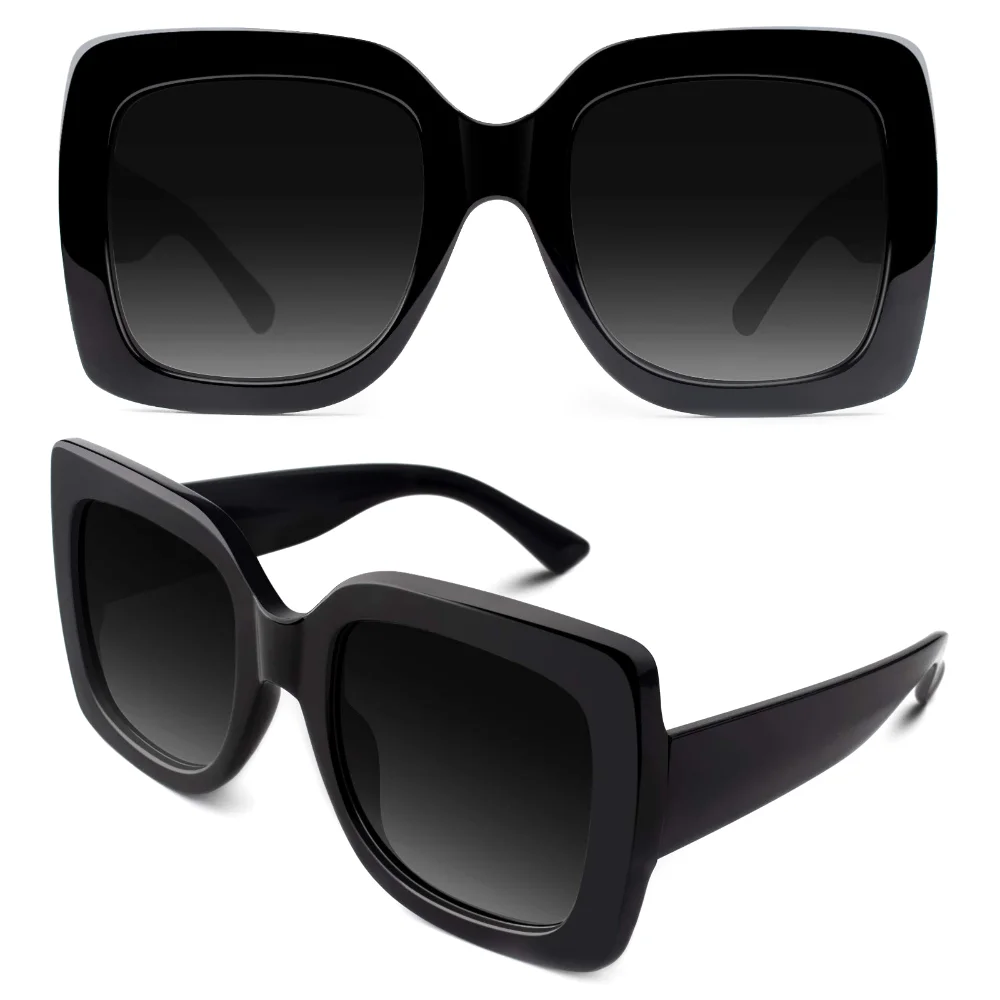
Oversized square sunglasses
4.6 · 3,206 ratings
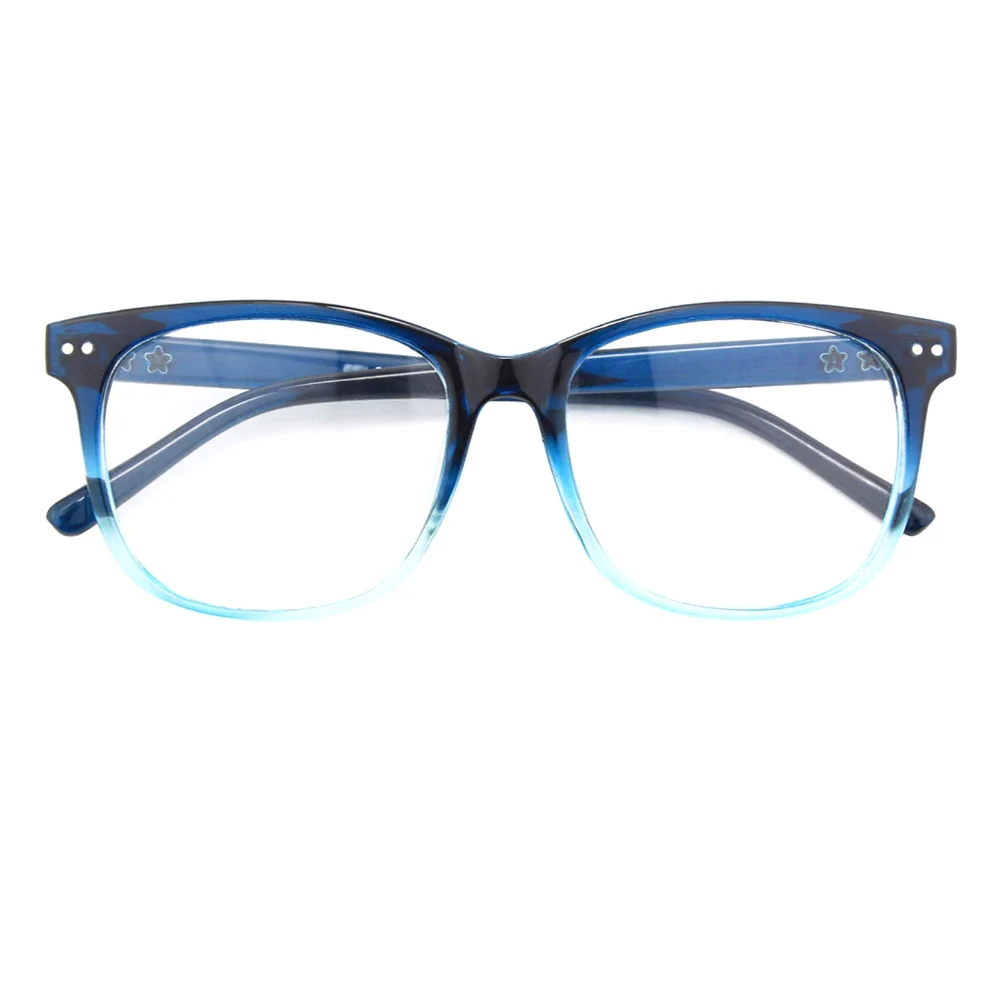
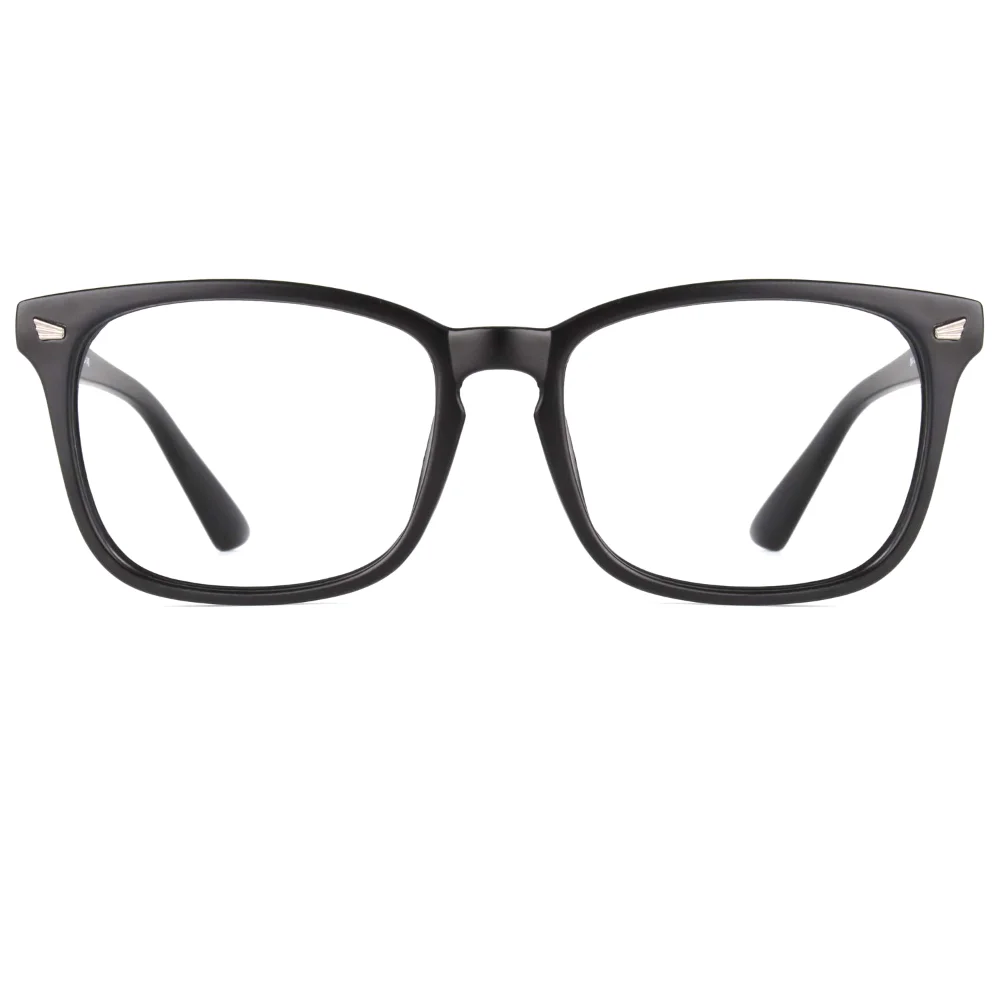
Clear-lens oversized frames
4.3 · 2,556 ratings
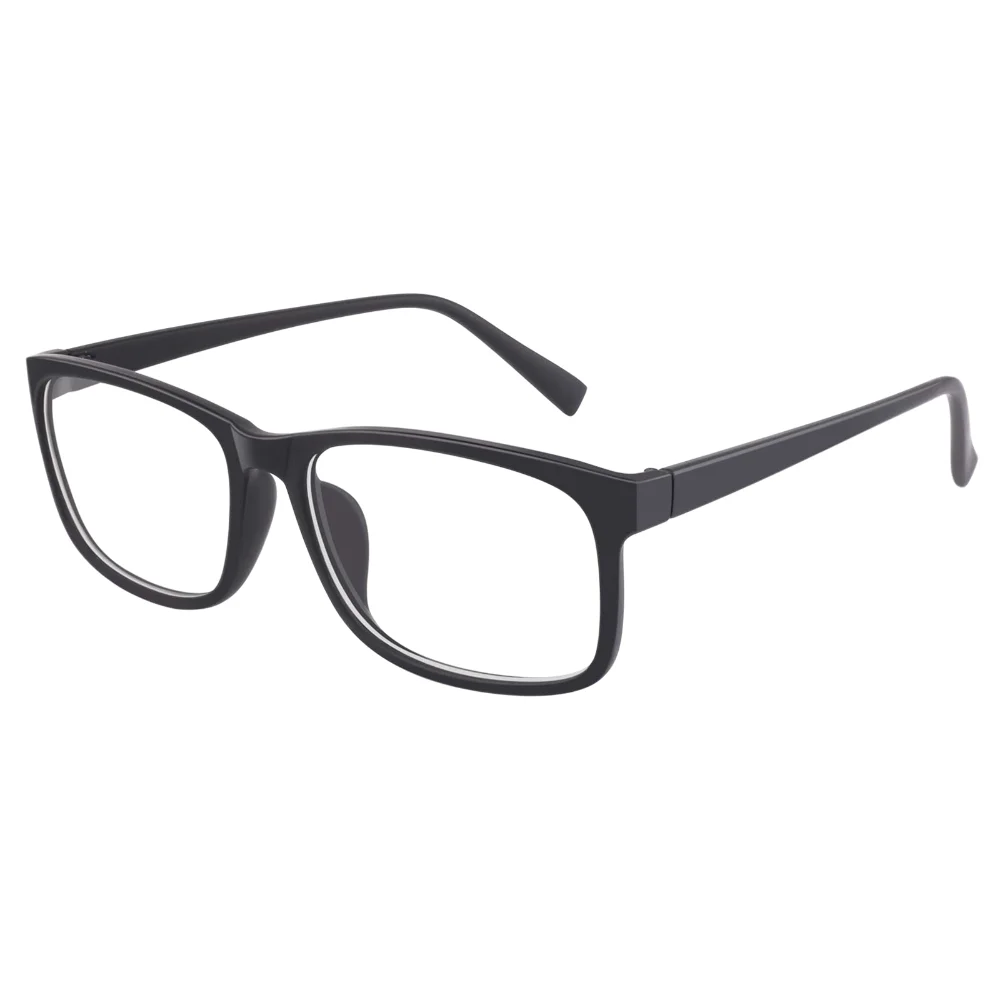
Clear-lens rectangular frames
4.4 · 1,564 ratings
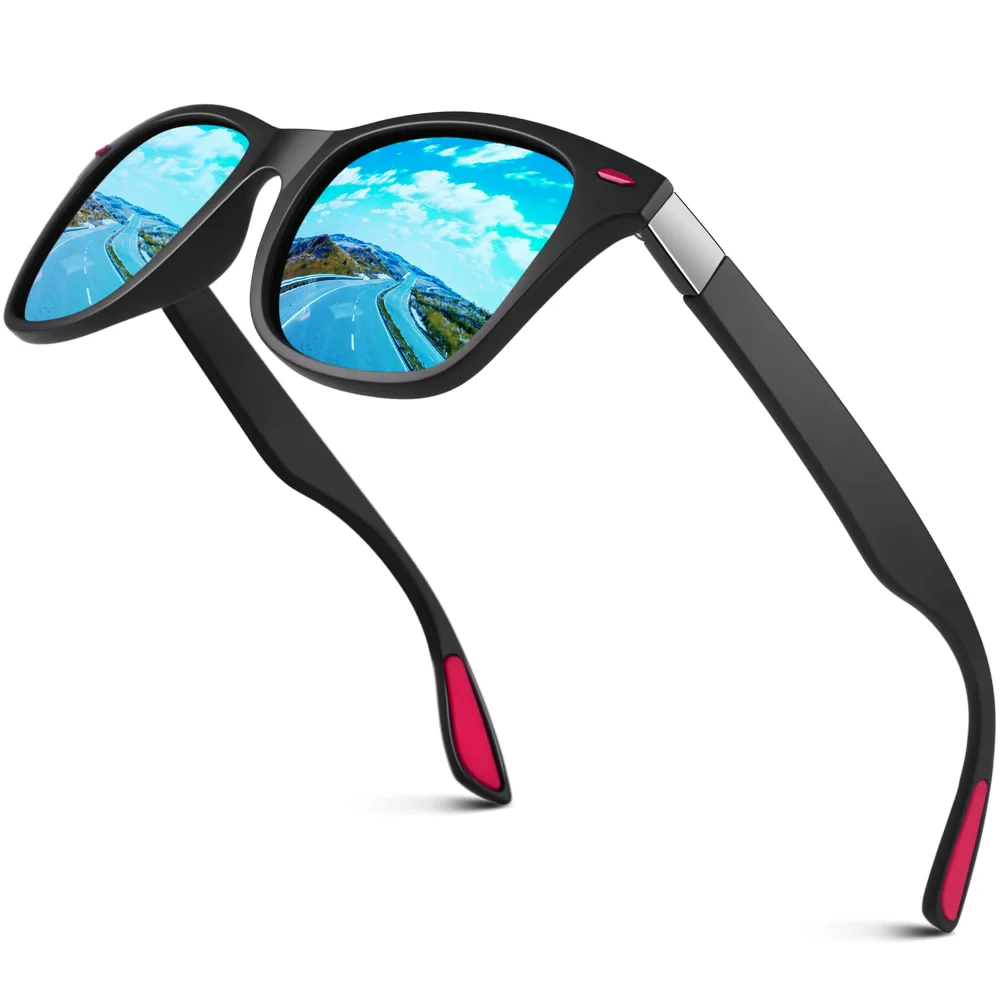
TR90 flexible polarized sunglasses
4.3 · 1,481 ratings
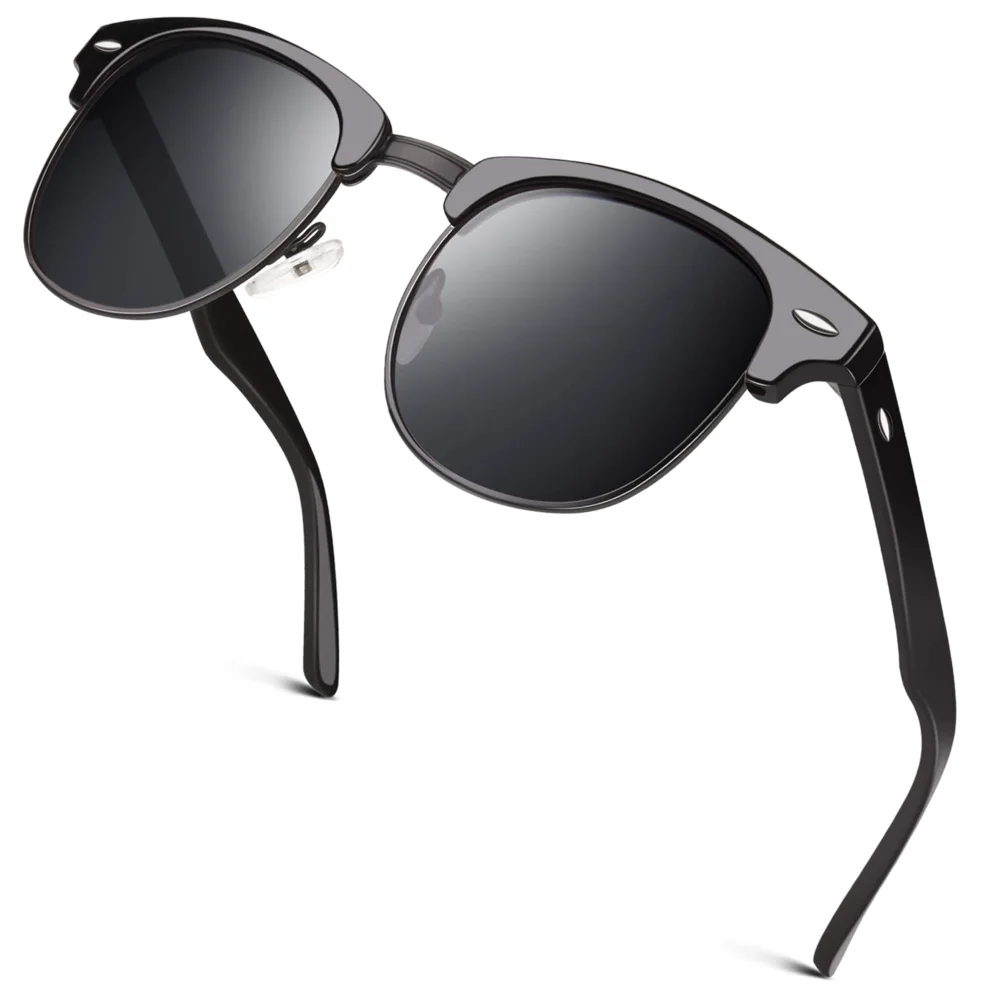
Semi-rimless browline sunglasses
4.5 · 1,047 ratings
03What it is made of
Everything on a GQUEEN card rests on two decisions: what the frame is made of, and what the lens does to light. Both are printed. Neither is a promise about your eyes.
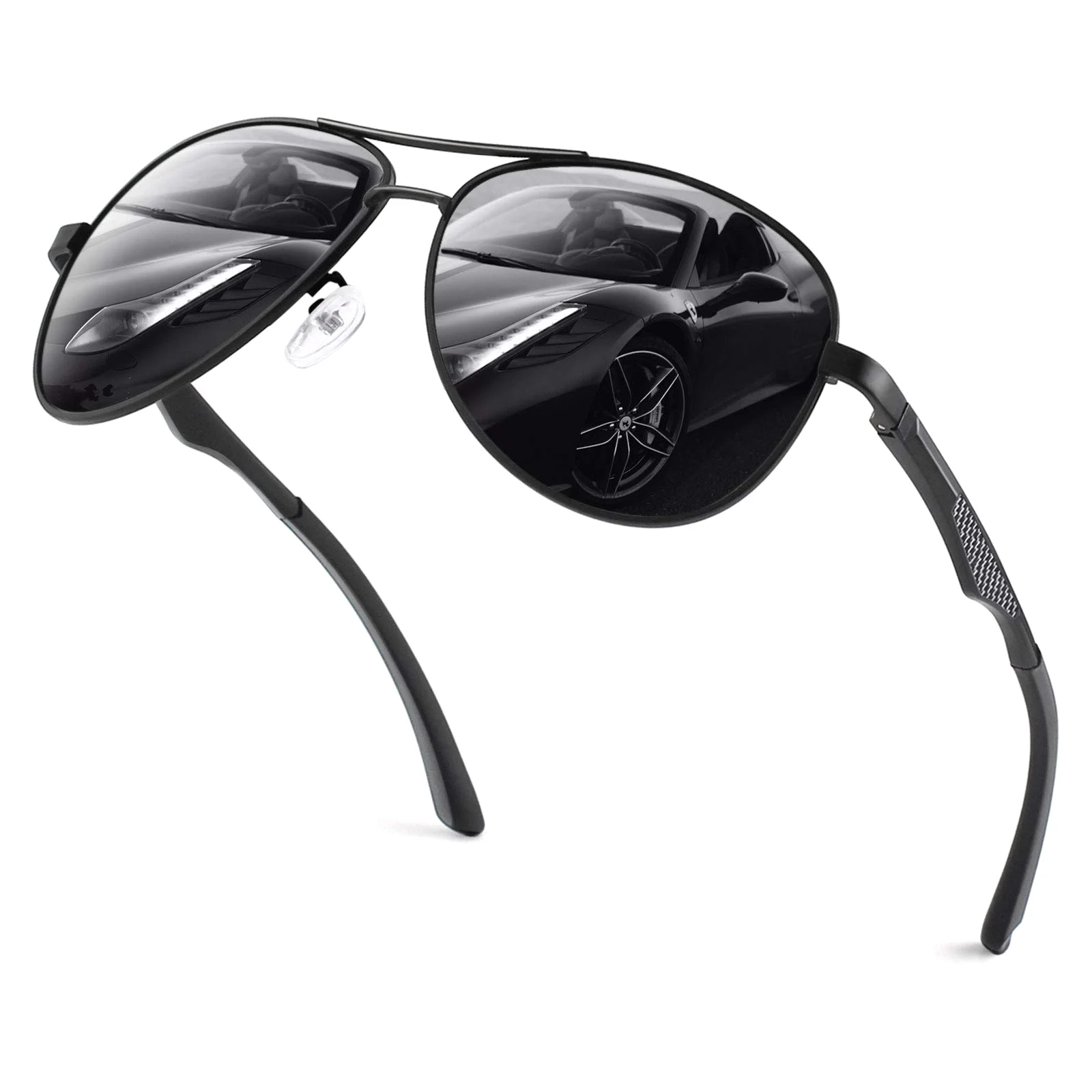
The metal pilot. Light for a metal, holds its shape, and takes spring hinges that open past straight without bending the arm. Heavier than plastic, and it feels it on the nose after a long day.
The everyday frame. It bends and comes back, weighs about as much as a house key, and takes rubber temple tips that stay put when you sweat. Not for anyone who wants a frame to feel expensive.
The plastic in the browline, the 70s square and the clear-lens frames. Twenty-two to twenty-four grams, moulded in one piece, metal hinges. It is the material that makes a ten-dollar pair possible.
Two separate claims on every card. The polarizing filter cuts glare off water and road. The UV400 rating blocks ultraviolet to 400 nanometres. A tint does neither on its own, which is why the clear-lens frames carry the UV rating and no polarized claim.
| Tint | What it does to the light | Where it earns its place |
|---|---|---|
| Grey | Darkens everything evenly, colours stay true | Driving in full sun, beach, snow |
| Brown and gradient brown | Warms the picture and lifts contrast | Overcast days, driving into low sun |
| G15 green | Grey darkness with brown contrast | All-day wear when you cannot decide |
| Mirrored (blue, pink, silver, gold) | A reflective coat over a grey or brown base; the tint you see is not the tint you see through | Bright water and photographs |
| Yellow | Lifts contrast in low light, blocks little | Dusk and haze; not for full sun |
| Clear | Nothing to the visible light; UV400 rating only | The look, indoors and out |
A tint describes what you see through the lens, not what it blocks. the GQUEEN way prints the polarized and UV400 claims on every product page, one under the other.
04On a face, not on a white sweep
A cat-eye at the beach, a clear-lens square in a grey jumper, a pilot on a pavement. What comes out of the case, once it is out.






05Small lenses, a lot of frame
The tortoise clear-lens frame, a 48-millimetre round with side shields, the rectangle that ships two to a box, and the 69-millimetre clear-lens square that reads as a statement.
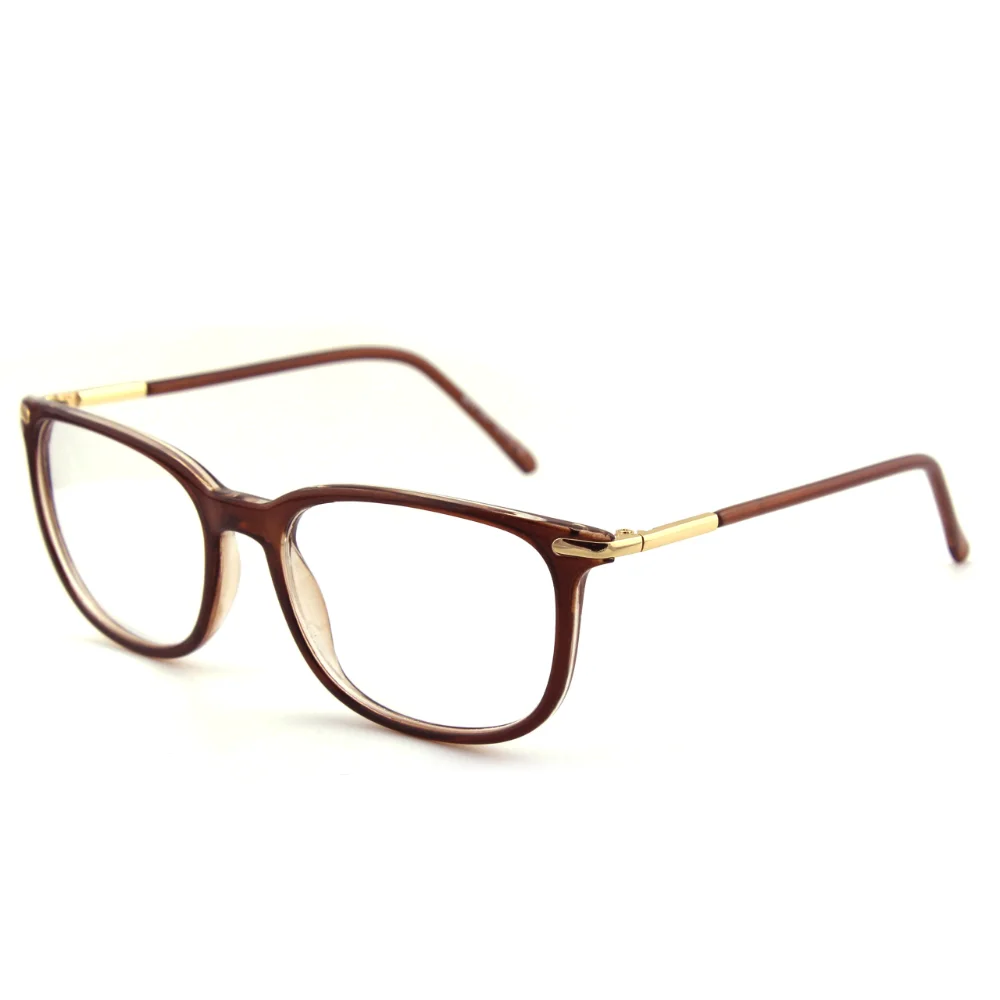
Clear-lens nerd frames
4.4 · 1,036 ratings
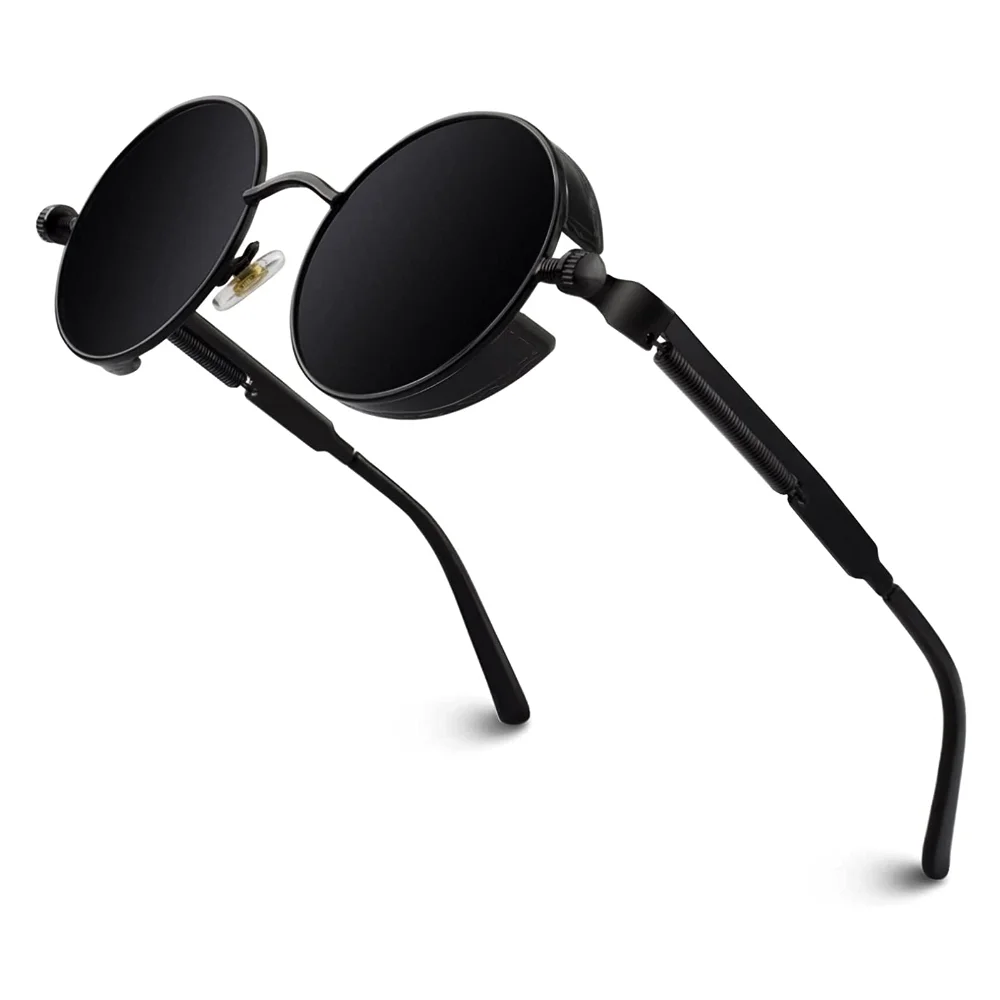
Round steampunk sunglasses
4.5 · 101 ratings
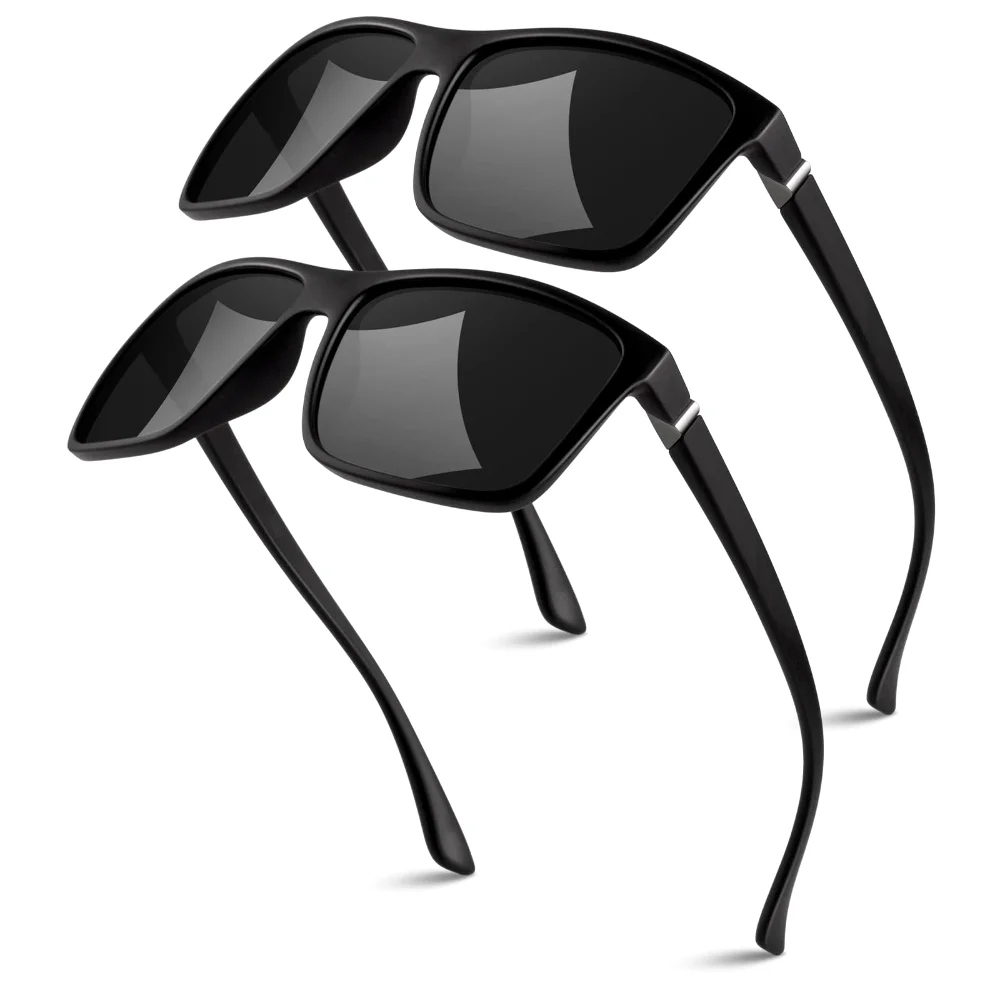
Retro rectangle polarized sunglasses
4.2 · 328 ratings
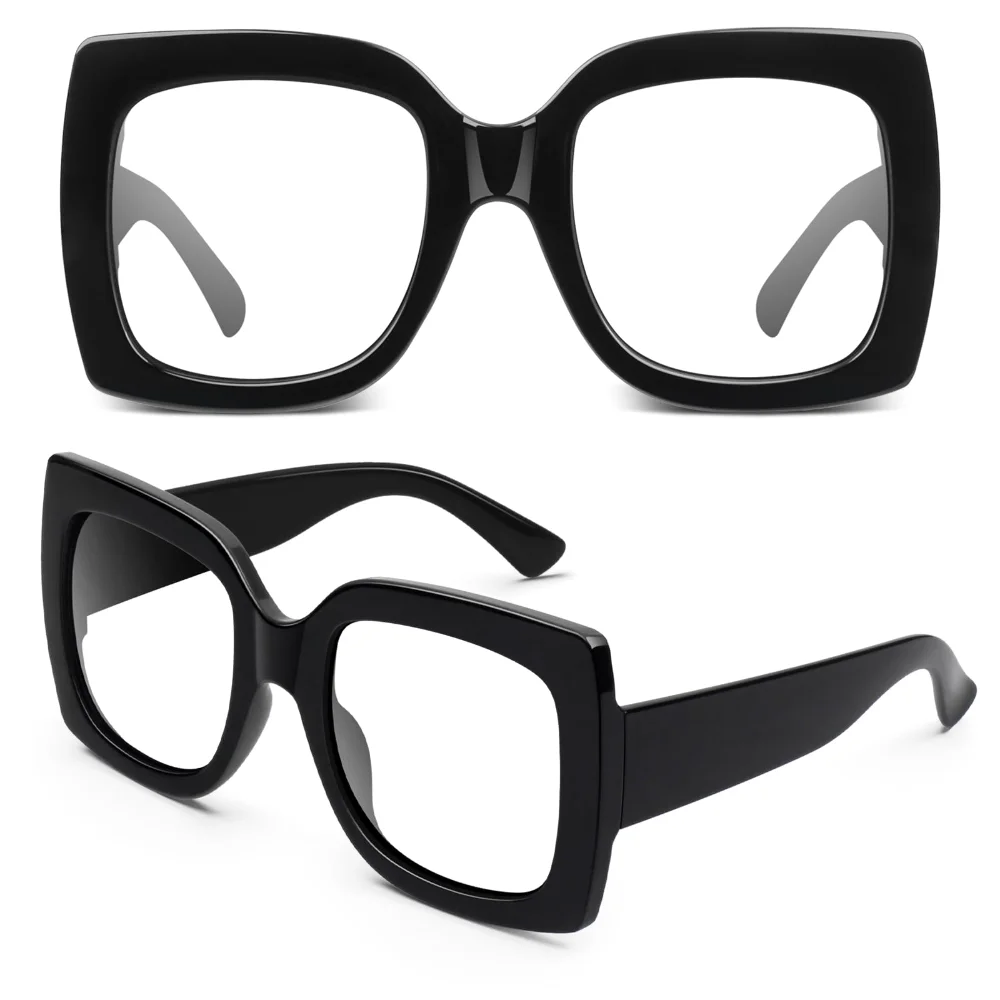
Clear-lens oversized frames
4.3 · 156 ratings
06Eleven years of the same question
Will it fit, and does the lens do what the sticker says. Almost everything the GQUEEN team has made since 2015 sits somewhere between those two questions.
The first thing we got right was the number inside the arm. A pair of glasses carries three of them, lens width, bridge, temple length, and almost nobody selling a fifteen-dollar frame prints them. We do, on every card, because a 62-millimetre pilot and a 48-millimetre round are not the same object at two prices: one covers a broad face and one sits inside a narrow one, and the only way to know which is yours is to read the arm of the pair you already own.
The second thing took longer. A polarized lens and a UV lens are two different jobs, and a tint says nothing about either. So the card names them separately: polarized where there is a filter in the lens, UV400 where the lens is rated to 400 nanometres, and a plain statement of what a clear lens is not. Every lens in the range clears the impact test the federal rule sets for sunglasses, a steel ball from fifty inches, and that rule is linked rather than paraphrased.
What we have not done is spread. Eleven years in and everyone at GQUEEN still works to five frame shapes and one clear-lens shelf: pilot, round, browline, cat-eye, oversized square. Every one of them is something a face has worn before, and the only thing that changes from year to year is the tint.
They describe the frame, not you. Medium is roughly a 140-millimetre frame; Large runs to 147 and beyond. Hold your current pair up to the numbers rather than to the word.
07What you are choosing between
People shop this category by brand and find out afterwards what the lens does. Two rows below go against us: a designer frame outlasts ours, and a prescription from an optician is a different product altogether.
| GQUEEN | Designer house | Petrol-station pair | Optician prescription | Clip-on over glasses | |
|---|---|---|---|---|---|
| What it costs | $9.99 to $25.99 a pair, bundles to $38.93 | Ten to twenty times more | About the same | Several times more | Less |
| UV rating printed | UV400, on every card | Usually | Sometimes, and not always true | Yes | Sometimes |
| Polarized | On the sunglasses shelves, named pair by pair | On the dearer models | Rarely | On request | Usually |
| Millimetres printed | Lens, bridge, temple, where we have them | Inside the arm | No | Measured on you | No |
| Fits your prescription | The clear-lens frames could take one | Yes | No | It is one | It sits over one |
| The catch | A frame you will not mind losing does not feel like one you would | Losing it hurts | The UV sticker is a hope | You wait for it | It looks like a clip-on |
Prices are the range across this catalogue at our last update; the other four columns describe the category rather than any one product.
08The part that is not ours to certify
In the United States the lens in front of your eye answers to a federal regulation and to the ophthalmologists, not to a brand. Those sources are linked here rather than paraphrased into a promise.
Nonprescription sunglasses are Class I medical devices under 21 CFR 886.5850. They have been exempt from premarket notification since February 1998, but not from general controls or from the impact-resistant lens rule.
US Food and Drug Administration, read September 1, 2026The impact rule is 21 CFR 801.410: a 5/8-inch steel ball weighing about 0.56 ounce is dropped from 50 inches onto the centre of the lens, and the lens must not fracture. Nonprescription lenses are tested by sampling each production batch.
US Code of Federal Regulations, 21 CFR 801.410, read September 1, 2026The Academy of Ophthalmology tells shoppers to look for 100% UV or UV400 protection, and says plainly that price is no guide, a darker lens is not a safer lens, and a coloured lens does not block more sun.
American Academy of Ophthalmology, read September 1, 2026Polarization itself provides no UV protection. What it does is cut glare bounced off water, road and snow; what it costs is a harder time reading an LCD screen, and it is the wrong lens for driving at night.
American Academy of Ophthalmology, read September 1, 2026This section is general information about nonprescription sunglasses and ultraviolet light, not advice about your eyes or a particular medical question. A UV400 rating and a polarizing filter describe a lens; they do not treat, prevent or diagnose anything. If you have a specific concern, a condition that makes light painful, a question about a prescription, a child who needs protection, take it to an optometrist or ophthalmologist rather than to a catalogue.
09The rest of the counter
The 69-millimetre clear-lens square, the 70s pilot, the metal clear-lens pilot, the stainless-steel round, and what happens when a pilot and a TR90 share an order.
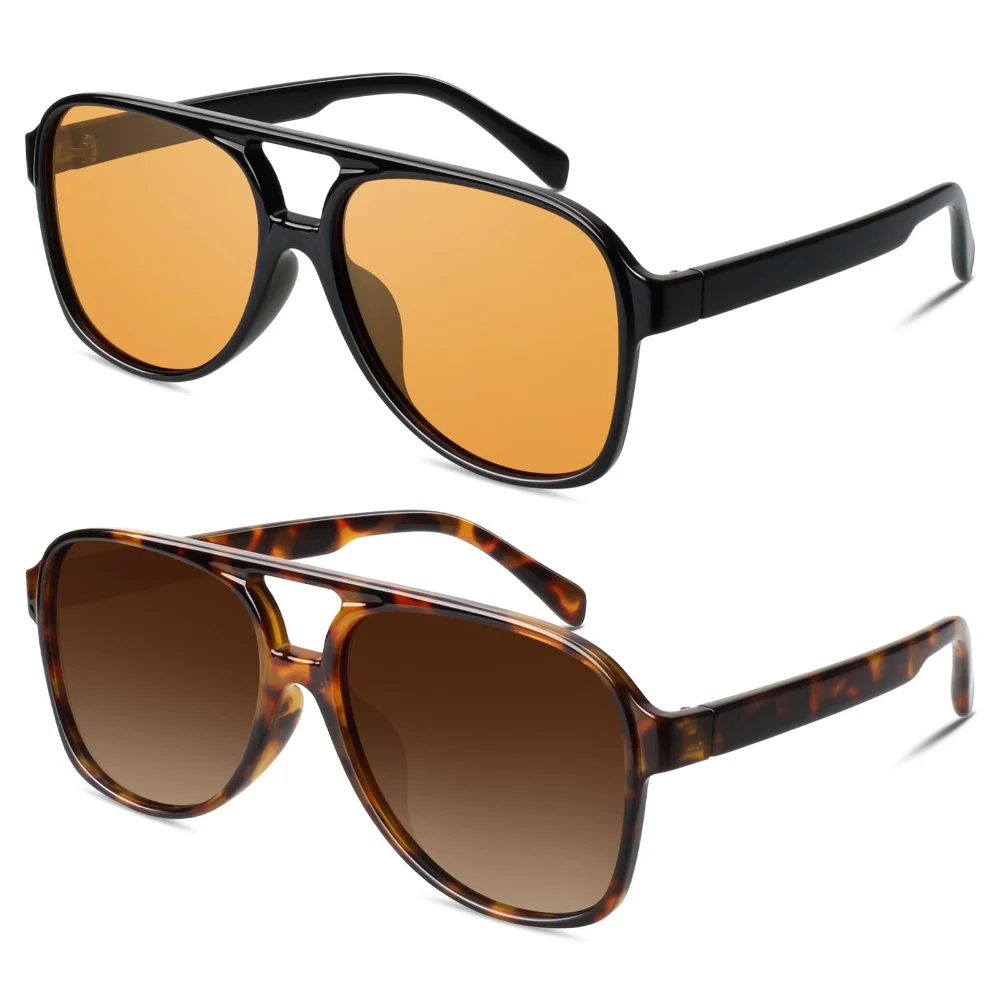
70s square pilot sunglasses
4.3 · 95 ratings
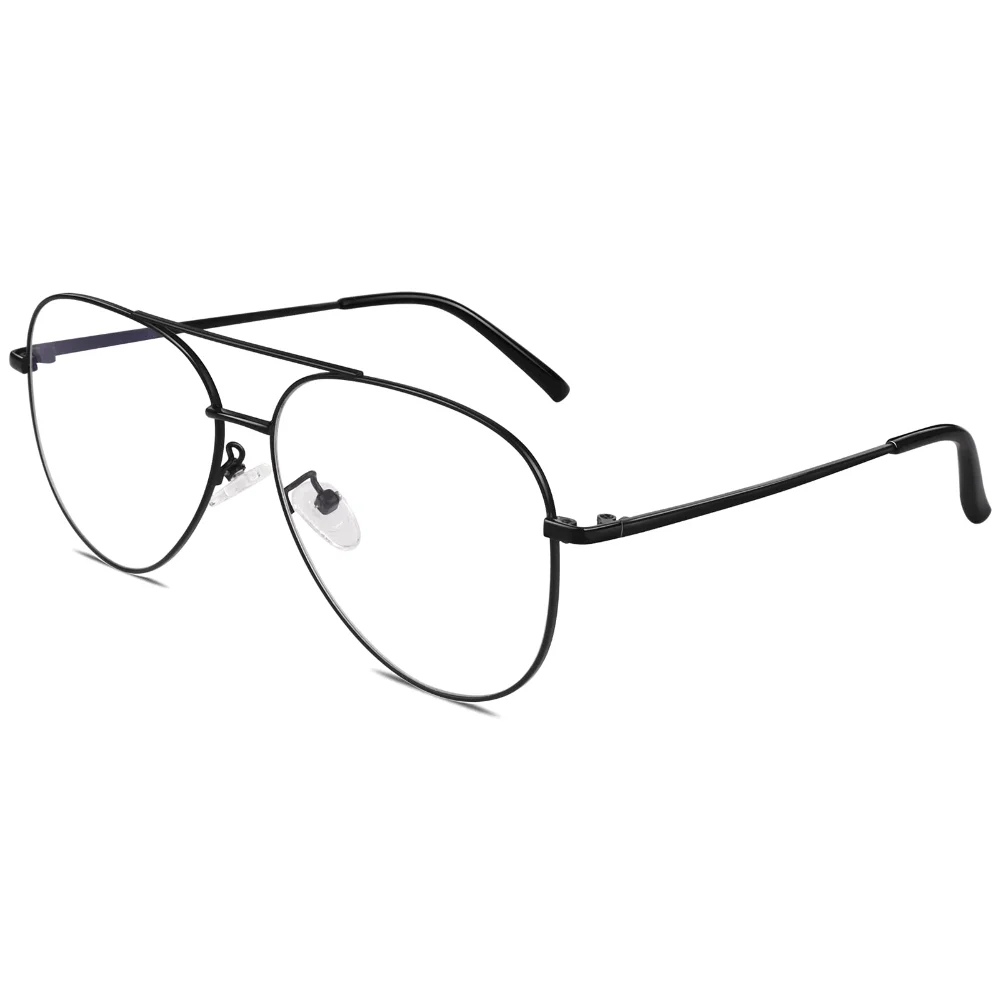
Clear-lens pilot frames
4.3 · 85 ratings
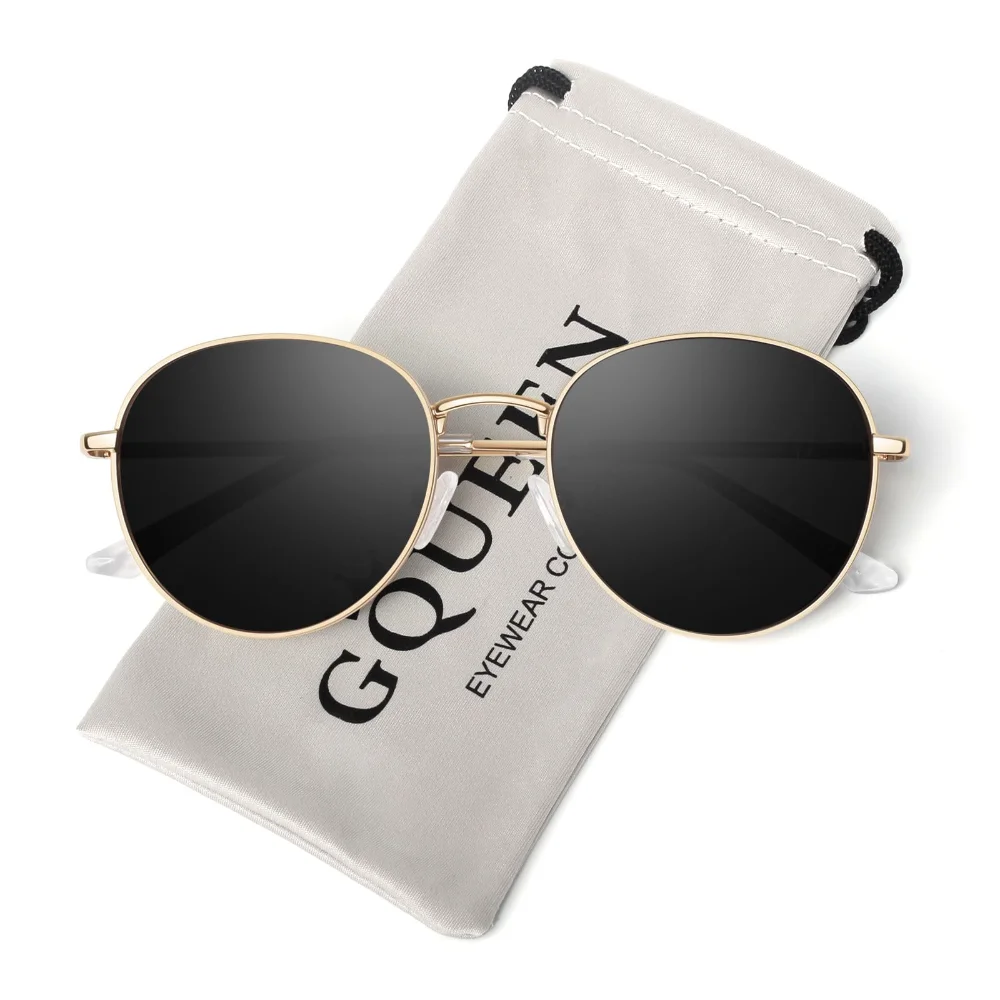
Retro round sunglasses
4.4 · 78 ratings
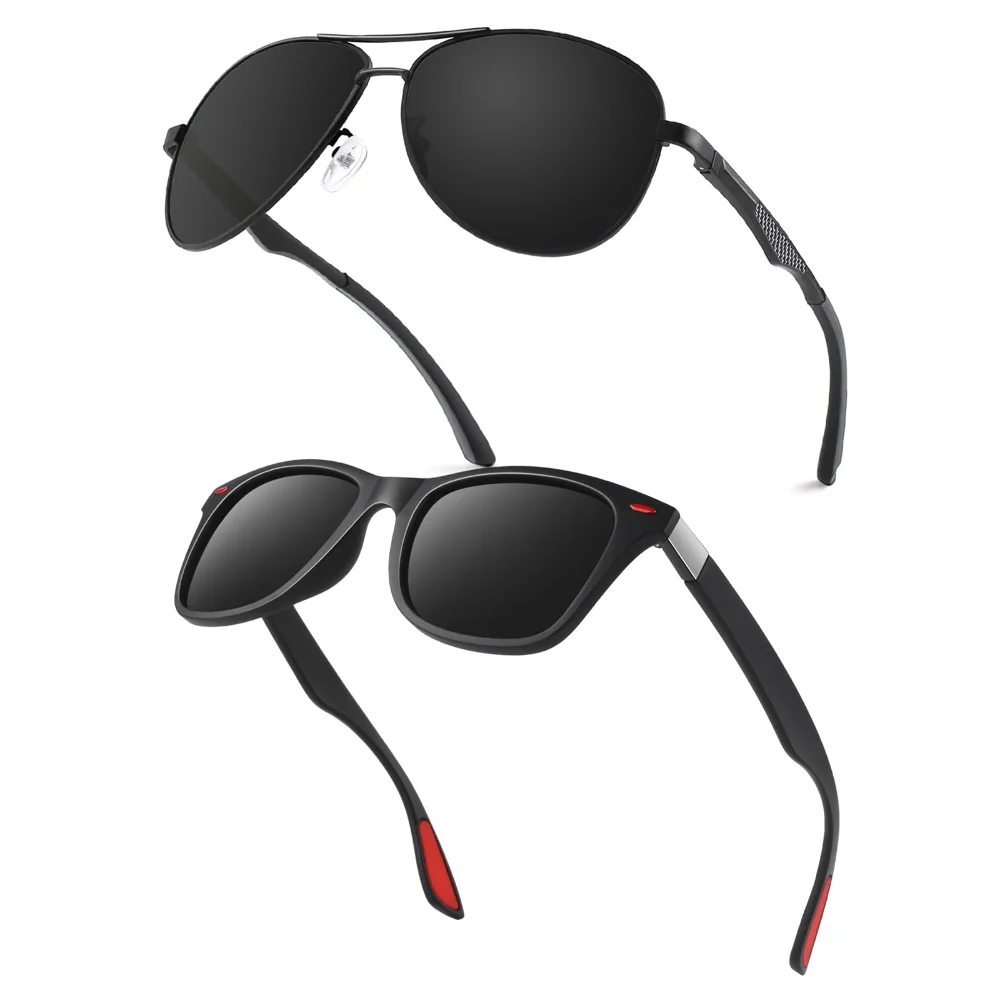
Two-pair sunglasses bundles
5 · 1 ratings
10The brand, in one table
Six shelves, one decision, and it is almost never the one people arrive intending to make.
People come to this catalogue with a shape in mind and leave having changed their mind about the size. That is not a sales trick; it is what happens when you replace the question "do I like pilots" with the question "what does the arm of my current pair say". A 62-millimetre metal pilot at $19.99 and a 48-millimetre steampunk round at $15.98 are not the same object at two prices. One covers a broad face from brow to cheekbone. The other sits inside a narrow one and is meant to.
The first fork is the number. Pick up the pair you already own and read the inside of one temple arm: lens width, a small square, bridge, then temple length. Stay within about three millimetres of that lens width and the new pair will feel familiar on the first day. Move ten millimetres and you have bought a different kind of thing, however good it looked in the photograph, and the GQUEEN card prints the numbers so that you can see the move before you make it.

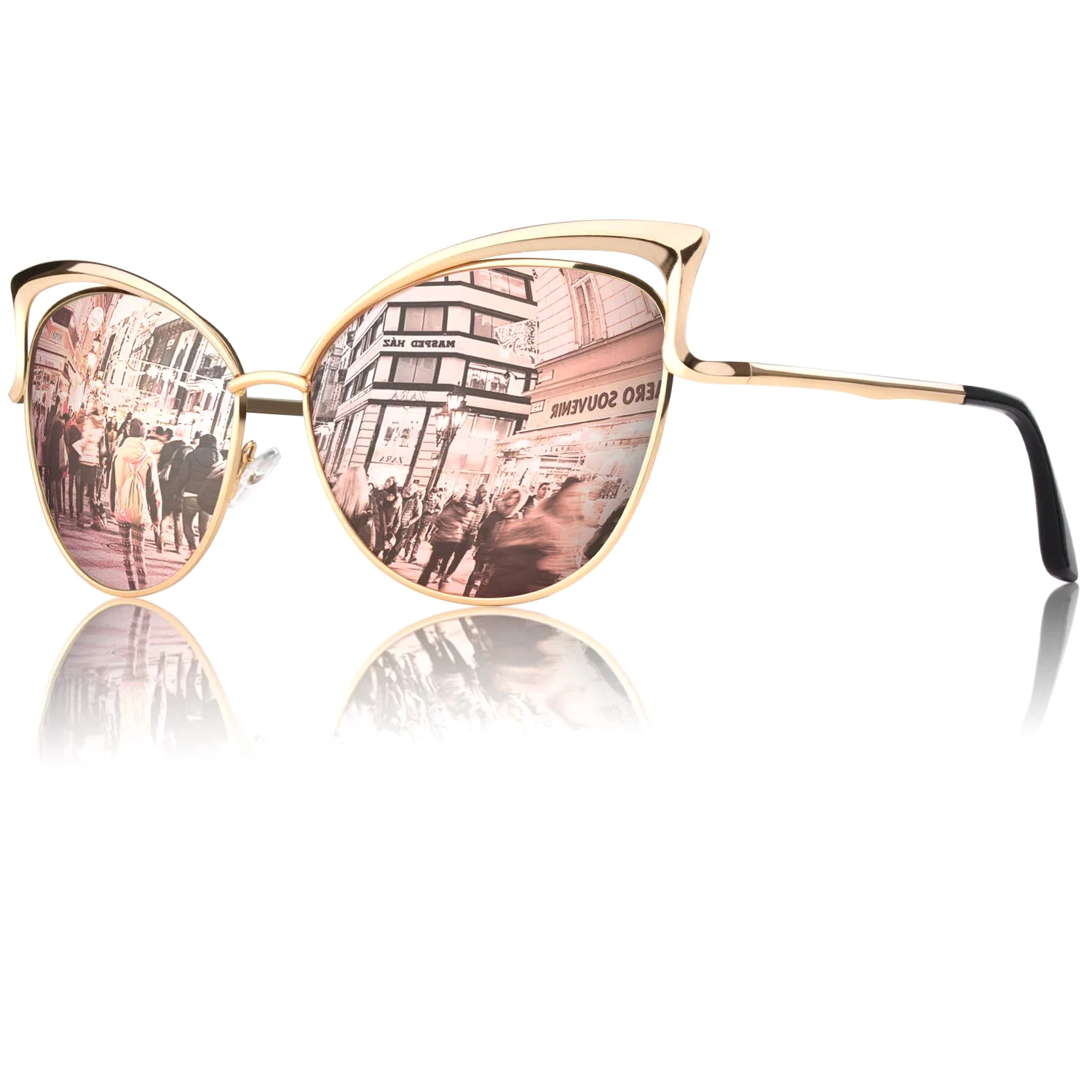
The second fork is the lens. Polarized and UV400 are two separate claims, and the card carries them one under the other. Water and road want the polarizing filter, so the pilots, the rounds, the browline, the cat-eye and the TR90 all have one. The oversized square S904 does not, and says so. The clear-lens shelf carries the UV rating and nothing else, because nothing else would be true.
Everything else follows from those two. Metal holds its shape and sits heavier on the nose; TR90 bends and weighs nothing; polycarbonate is how a ten-dollar frame exists. A mirror is what other people see, not what you see through. A two-pair bundle is two frames from the same shelves in one order, for the day the first pair is wrong.
The table below is the whole of it. Find the row that matches the pair in your hand rather than the row that matches the mood, and the shelf is chosen.
| Shelf | Lens width | The lens | What actually decides it |
|---|---|---|---|
| Pilots and aviators | 60 to 62 mm | Polarized, UV400 | A medium to broad face, and metal or plastic |
| Round and browline | 48 mm on the round | Polarized, UV400 | A narrow face, or a frame that argues with a wide one |
| Oversized and cat-eye | The widest we make | Cat-eye polarized; S904 UV400 only | How much of the face you want covered |
| Everyday polarized | Medium | Polarized, UV400 | Whether the pair gets sat on, sweated in or left in a car |
| Clear-lens frames | 52 to 69 mm | Clear plano, UV400 | The look, and which shape reads as glasses |
| Two-pair bundles | Two frames, two sets of numbers | As the two frames | Whether you want a second pair for a second day |
The longer answer to “what is this brand” lives on Read what GQUEEN makes and who it is for.
11Straight to a shape
Five of them get a paragraph here; the rest are one click away, and every one of those pages carries its frames with their prices, tints and millimetres.
Nine frames carry a polarizing filter: both pilots, the browline, the two rounds, the cat-eye, the TR90 and the two-pair rectangle. The filter cuts glare bounced off water and road; the UV400 rating is a separate claim, and each card carries both. Grey and brown are the working tints, the mirrors are for the photograph.
The metal MOS1 is the frame most people mean when they say aviator: an aluminium-magnesium frame, spring hinges, a 62-millimetre polarized lens, seven tints from plain grey to blue mirror. The 70s square pilot is the plastic answer, two millimetres narrower and twenty-two grams, in tortoise and two-pair boxes.
The S904 square is the biggest frame we make and the one with the most reviews: five colourways, a thick polycarbonate rim, and no polarizing filter, which the card says. The cat-eye covers the same face in polished metal at half the weight, with four mirrored tints. Two clear-lens frames sit here too, at 69 millimetres across the lens.
Six frames with clear lenses and nothing else: a square, a rectangular, the tortoise nerd frame, a polished-metal pilot and two oversized squares. They are the frames people buy to look like they wear glasses, and the honest line on the card is what the lens is not. Under twelve dollars, every one.
Two-pair bundles put frames together that get bought together: the metal pilot with a bendy TR90, a browline with a steampunk round, a cat-eye with the oversized square. The card names both halves and prices the pair as one order.
12Before you click
The commonest mistake is buying a 62-millimetre pilot for a face that has always worn 52. Read the arm of your current pair once and the GQUEEN catalogue turns into a filter.
Inside one temple arm, usually the left: lens width, a small square, bridge, then temple length. 52□18 140 means a 52-millimetre lens, an 18-millimetre bridge and a 140-millimetre arm.
It decides how the frame sits. Within about three millimetres of your current pair and it will feel familiar; a 62 on a face that wears 52 is a different object.
Too narrow and the frame rides up the nose; too wide and it slides. A metal frame with adjustable nose pads forgives a wrong bridge. A moulded plastic one does not.
Water and road glare want a polarized grey or brown. Photographs want a mirror. Dusk wants yellow. Nothing wants a clear lens except the look, and that is a fine reason.
Metal pilots sit heavier on the nose than a twenty-two-gram plastic frame. If you take your glasses off at lunch, that is why, and the lighter frame is the right one.
The polarized pairs ship with a case, a pouch, a cloth and a test card that shows the filter working. The clear-lens frames ship with a pouch and a cloth. Neither ships with a prescription.
13In their words
Printed as they came, with the frame each one names linked underneath. Two of them are complaints, and those are the two worth reading twice.
★★★★☆
I really like these sunglasses. The sides are hinged well and sort of "snap" open and closed, which is a nice touch, as I don't expect that it will get loose like a regular screw does. They're good quality, and came packaged very well! They are very similar to another pair of sunglasses I have, and was hopeful I'd be able to have 2 pairs, one to keep in the car, and one to carry on me. However, these are just a TOUCH too large for my face. I wish the lenses were just a touch smaller, otherwise they'd be perfect! With them being too large, it makes the sides of the sunglasses uncomfortable on my ears, since they kind of go "inward" and are pulling on my ears since it's a spring hinge.
★★★★☆
Although I don't expect a lengthy life, they seem mostly durable. They rattle like most low end products but are solid once having put them on. Although not bad looking, they aren't going to fool anyone since they just don't look or sound like quality. All in all, these are a solid choice for the money. They are lightweight, comfortable and don't slide around on my face. These make a good alternative at times when I don't need to wear my high end or designer sunglasses.
★★★☆☆
I really wanted to like these. The set comes with a pair of sunglasses and a pair of yellow driving glasses, which I have been wanting for my drive home in the dark, after work. It also comes with cleaning cloths and soft pouch for each pair. When I first felt the glasses in my hands, they felt very light-weight and plasticky. The arms did not swing smoothly and were already squeaking. But I wanted to give them a chance.
★★★★☆
He is always losing his sun glasses and having an extra pair is nice. The set is reasonably priced and comes with its own little screwdriver. Both pair of glasses are polarized and have UV protection. One pair is mirrored and the other is not. The frames are a matt black with just a touch of silver on the arm to dress them up a little. They are very lightweight and comfortable to wear and don't bother my husband's nose or ears when wearing for an extended period of time.
★★★★☆
If you are looking for really large sunglasses, this is it! Nice and dark since there is so much coverage on the eyes. My only complaint is that I have dropped them twice and the glass part easy comes off the frame. It is difficult to get it back into the frame. Otherwise, really nice glasses.
★★★★★
The frames feel lightweight and comfortable so I can wear them for longer periods without any irritation, which is a nice bonus considering they're non-prescription. Most people actually assume they're real glasses and ask if they're prescription, that's how authentic they look!
14Lens Notes
What polarized and UV400 actually mean and which one you need, how to read the three numbers inside a temple arm, and why people buy glasses with nothing in them.

One is about ultraviolet light and the other is about glare, and neither implies the other. What each does, where a polarized lens gets in the way, and how to check a pair with a phone screen.
Lens width, bridge, temple length: the notation engraved inside almost every frame, what each number does on a face, and how to use the pair you already own to size the next one.

A plano lens corrects nothing, which is the point. Which frame shapes read as glasses and which read as a costume, what a clear lens does and does not do, and what to check before you order.
15Questions people send us
Six of them, answered here in a paragraph each. Longer answers live on the shelf pages and in Lens Notes.
Every buying button on this site opens the frame you were looking at, in the colourway you chose, at our retail partner. That is where the payment, the delivery and any return happen, and the price you see there is the price you pay.
If you would rather see the whole range in one go, the button at the foot of every page opens the catalogue rather than a single frame.
Read the arm of the pair you already own. Inside one temple there are three numbers, lens width, bridge and temple length, and the same three are printed on our cards wherever we have them. Stay within about three millimetres of your lens width and the new pair will feel familiar. A 62-millimetre pilot on a face that has always worn 52 is a different object, however good it looks in the photograph.
Both, on the sunglasses shelves, and the card names each separately. Polarized means a filter in the lens that cuts glare off water and road; UV400 means the lens is rated to block ultraviolet to 400 nanometres. One does not imply the other, which is why the oversized square S904 is UV400 without a filter and the clear-lens frames are UV400 with nothing else to say.
Grey for full sun, because it darkens everything evenly and leaves traffic lights their own colour. Brown or gradient brown when the sun is low or the sky is flat, because it lifts contrast. Not a mirror, which is for the beach and the photograph, and not the yellow lens, which is for dusk and haze and blocks very little. The polarized-lens page from the ophthalmologists is linked on the standards section for the longer answer.
They hold a clear plano lens, which has no power and corrects nothing, in a frame worn for the look of it. The lens carries a UV400 rating and that is the whole of its work. They are not a prescription and not a blue-light filter, and the card says so in one line rather than pretending otherwise.
With the polarized pairs: a case, a microfibre pouch, a cleaning cloth and a small test card that shows the filter working when you hold the lens over it. With the clear-lens frames: a pouch and a cloth. With a two-pair bundle: two of everything, one set per frame.
Every GQUEEN tint, every frame colour
Every tint, frame colour and two-pair box in the GQUEEN shelves sits behind this button, with the price we last read against each one.